Cotton candy grapes do not grow naturally in the wild. They are a patented, proprietary cultivated grape variety developed through a deliberate breeding program. If you have been wondering whether these grapes exist somewhere out in nature just waiting to be found, the short answer is no. They were created in a lab setting through hand-pollinated crosses, and every Cotton Candy grape you have ever eaten came from a licensed commercial grower or a plant that was deliberately propagated and sold. That said, you can grow them at home in the right climate, and this guide will walk you through everything you need to figure out whether that is realistic for where you live.
Do Cotton Candy Grapes Grow Naturally? Where They Grow
Marcus Whitfield
24 Mar 2026
Cotton Candy Grapes Are Cultivated, Not Wild
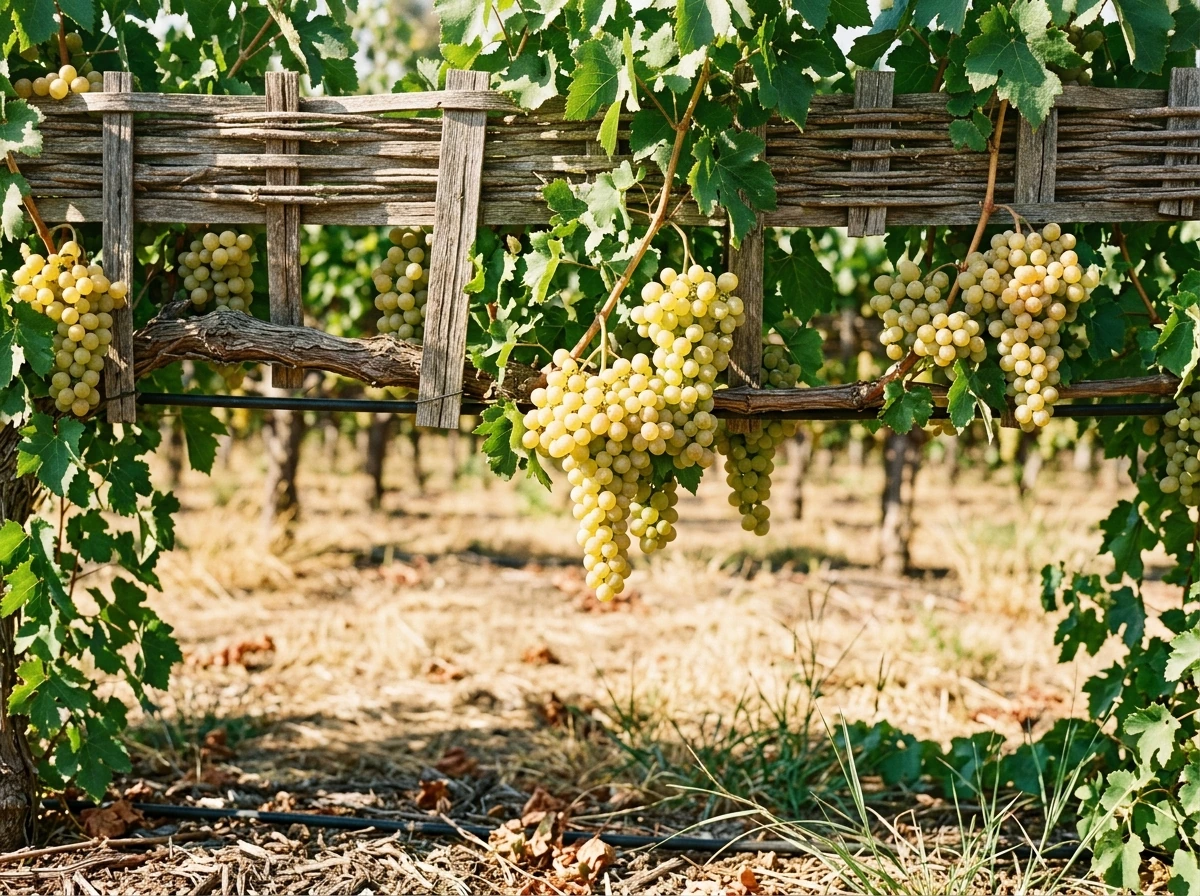
The Cotton Candy grape is the trademark name for a cultivar officially registered as IFG Seven. It was developed by Dr. David Cain at International Fruit Genetics (IFG) through a hand-pollinated cross made in 2003 involving a selection called A2674 and a variety called Princess. The resulting plant was selected in 2005 and received a US plant patent (USPP 23,399). The original plants were grown near Delano, in Kern County, California, which is squarely in the San Joaquin Valley, one of the most productive commercial grape-growing regions in the United States.
When IFG uses the phrase "naturally bred" in its marketing, they mean no genetic engineering or modification was involved. The flavor traits were coaxed out through conventional selective breeding, not a lab process like gene splicing. That is a meaningful distinction, but it does not make Cotton Candy a wild grape. It is still a proprietary cultivated variety, meaning it does not exist in any natural wild population and has never been documented growing spontaneously anywhere. Every Cotton Candy vine in the world traces back to that licensed propagation chain. As of 2023, IFG reports more than 34,000 US tons produced across 13 countries, all through licensed growers and commercial channels, not wild stands.
What "Cotton Candy" Actually Means
"Cotton Candy" is the trademark name IFG uses to market IFG Seven to retailers and consumers. The name describes the flavor, and it is not an exaggeration. IFG's own variety page lists the flavor profile as "unique cotton candy/candy floss, toffee," which is a pretty accurate description if you have eaten one. The high sugar content is real: the optimum Brix range for the variety is 18 to 22 degrees, which puts it well above the average table grape. For reference, most supermarket green grapes clock in around 14 to 16 Brix.
Beyond the flavor, IFG Seven is a white (green to amber at harvest) seedless table grape with a crispy, firm texture. Berries measure 17 to 23 mm, making them a medium-to-large size, and clusters are described as medium. It is mid-season relative to the Thompson Seedless benchmark, ripening roughly within two weeks of Thompson either direction. The variety shows high vine fertility and medium vigor, which has practical implications if you want to grow it at home. Knowing the actual cultivar name, IFG Seven, is useful because you may see it listed that way at some nurseries alongside the trademark name.
Where Cotton Candy Grapes Are Actually Grown
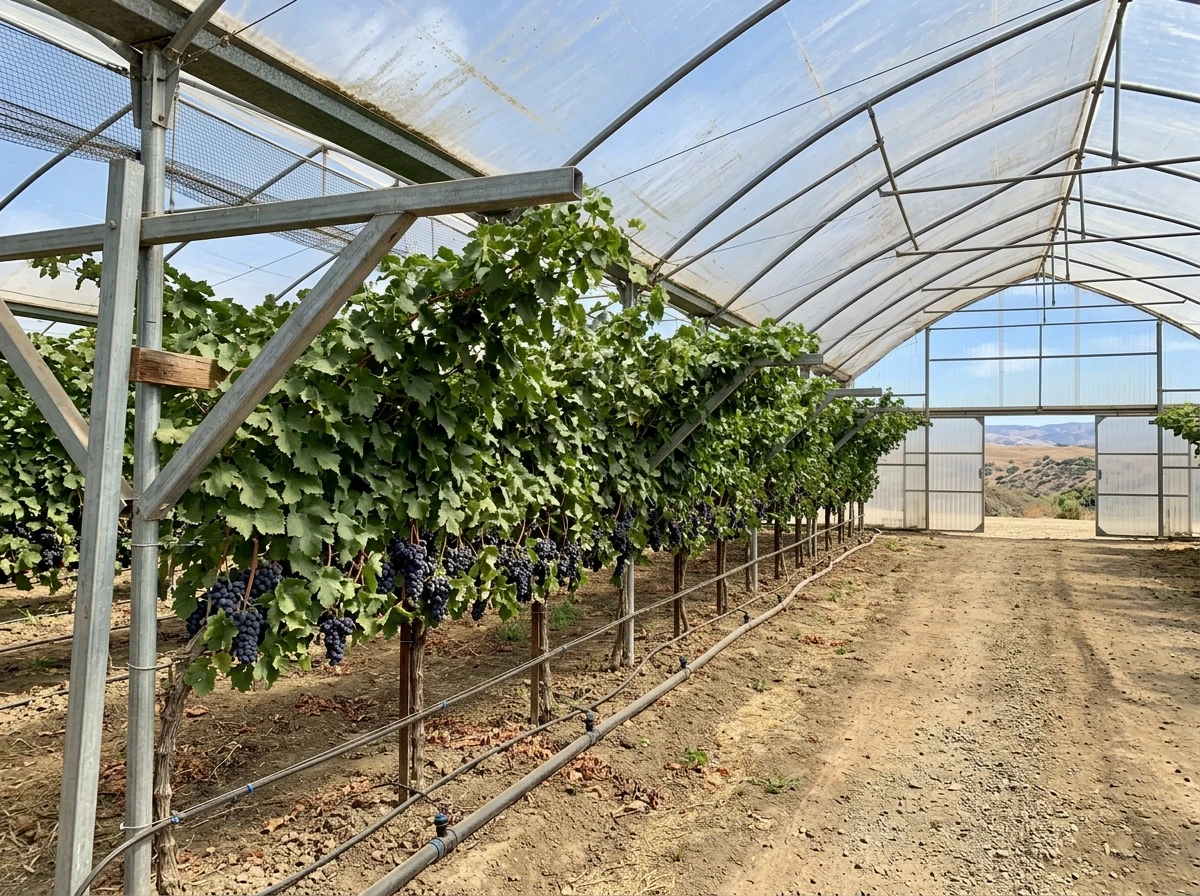
Commercially, Cotton Candy grapes are grown primarily in California, with the Grapery in Bakersfield being one of the most recognized licensed producers in the US. Because IFG controls the intellectual property, all commercial production goes through licensed partners. You will find the fruit in stores typically in late summer, roughly July through September in most US markets, depending on the season.
For home growers, retail nursery availability is the more relevant question. IFG Seven/Cotton Candy vines are not as universally available as standard varieties like Concord or Thompson Seedless. You are most likely to find them through specialty online nurseries rather than big-box garden centers. Availability can vary year to year, so it is worth searching early in the season, ideally January through March, before stock sells out. If you are curious about how other grape varieties are distributed and which regions support them best, the broader picture of where grapes grow across different US climates is worth understanding before you commit, especially if you want to know what do grapes grow on in your area.
Will Cotton Candy Grapes Grow in Your Climate?
This is the question that matters most for home gardeners. According to the HortScience cultivar register, IFG Seven (Cotton Candy) is suitable for USDA Hardiness Zones 5 through 7 and is noted as more cold-hardy than the Jewel variety. That gives you a workable baseline. If you are in Zone 5 through 7, you are in the primary range. If you are in a warmer Zone 8 or 9, you are likely fine from a cold-hardiness standpoint, though heat and humidity become the bigger concerns.
Here is how to check your actual fit in a few steps:
- Look up your USDA Hardiness Zone using the USDA Plant Hardiness Zone Map online (enter your zip code). If you land in Zone 5 to 9, you are in the general range.
- Check your summer heat accumulation. Cotton Candy, like most California table grapes, was developed in a hot, dry inland climate. It needs a long, warm growing season to reach that 18 to 22 Brix sweetness target. If your summers are short or cool, the flavor may never fully develop.
- Assess your humidity. High humidity in summer, common in the Southeast and parts of the Midwest, increases pressure from powdery mildew and downy mildew. The HortScience register notes disease sensitivity for IFG Seven, so humid-summer climates require more active management.
- Think about your winters. The variety needs enough winter chill to break dormancy properly, but not so much cold that buds are killed. In Zone 5, late spring frosts are a real concern and you will need to watch bud emergence timing carefully.
- Look at your frost-free window. You want at least 150 frost-free days, and ideally closer to 180 or more, to get a full growing season out of a mid-season table grape like Cotton Candy.
States where Cotton Candy has the best realistic shot for home growers include California (especially inland valleys), Arizona, New Mexico, Texas (central and western), Oregon (southern Willamette Valley and Rogue Valley), Washington (eastern), and parts of the Mid-Atlantic like Virginia and North Carolina. The Pacific Northwest coast, the Deep South with high humidity, and the upper Midwest with short summers are trickier, though not always impossible depending on your specific microclimate.
Planting and Growing Conditions for Cotton Candy Vines
Cotton Candy is a table grape that performs best under conditions similar to those of its home turf in California's San Joaquin Valley: full sun, well-drained soil, low to moderate humidity, and warm to hot summers. That does not mean you cannot grow it elsewhere, but the further you get from those baseline conditions, the more you will need to compensate.
- Sun: Minimum 8 hours of direct sun daily. This is non-negotiable for flavor development. Shaded vines will produce fruit, but Brix levels will fall short.
- Soil: Well-drained, loamy or sandy loam with a pH between 5.5 and 6.5. Waterlogged roots are one of the fastest ways to lose a vine.
- Watering: Consistent moisture during the growing season, reduced significantly after harvest and heading into dormancy. Drip irrigation is ideal.
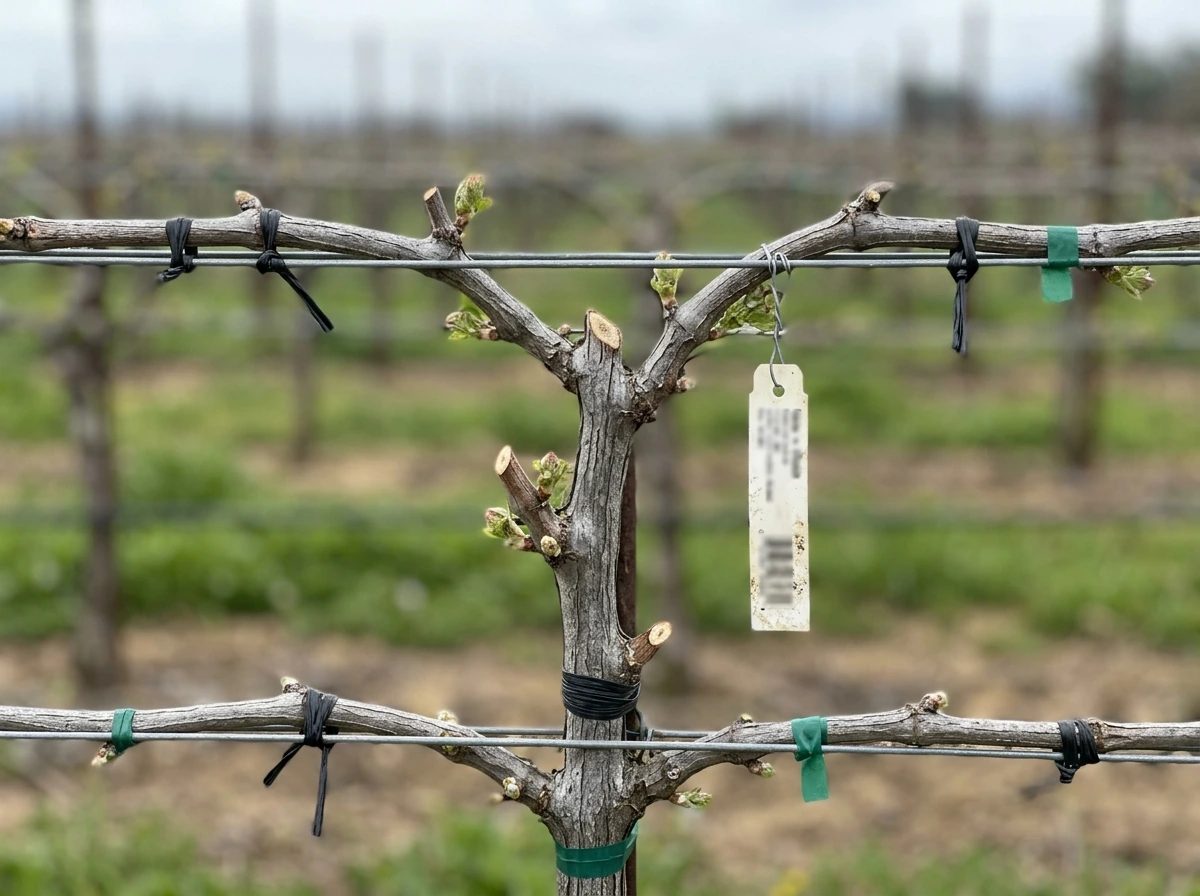
- Trellis: IFG Seven has high fertility and medium vigor, meaning it sets fruit well but does not run rampant. A standard two-wire trellis or a pergola setup works. The vine will need support from the first season.
- Pruning: Spur or cane pruning, depending on your training system. Cane pruning tends to suit mid-season seedless varieties well. Prune during dormancy in late winter, ideally after the hardest frosts have passed.
- Disease management: In humid climates, apply preventive fungicide sprays (sulfur-based products work for powdery mildew) starting at bud break and continuing through fruit set. Do not wait until you see symptoms.
- Fertilizing: A balanced fertilizer in early spring, with follow-up potassium applications as fruit develops, supports the high-sugar profile of the variety.
Realistic Growing Timeline for Home Gardeners
Patience is the most important trait you need to grow any grape, including Cotton Candy. Here is what a realistic multi-year arc looks like:
| Year | What to Expect |
|---|---|
| Year 1 | Focus on establishing the root system. Remove any flower clusters that form so the vine directs energy into roots and canes. Train the main trunk upward. |
| Year 2 | The vine grows significantly. You may allow a very light crop (a cluster or two) to test the plant, but most growers recommend still limiting fruit load to build strength. |
| Year 3 | First real harvest. Expect a modest yield, maybe a few pounds. Flavor should be recognizable as Cotton Candy if conditions have been right. Brix will depend heavily on heat accumulation that summer. |
| Year 4 and beyond | The vine hits a productive stride. A well-managed mature vine can yield 15 to 25 pounds or more. Timing relative to Thompson Seedless is roughly mid-season, so harvest falls in late July to mid-August in most US climates. |
The flavor you are chasing, that 18 to 22 Brix cotton candy sweetness, is heavily dependent on heat units during the season. A cooler-than-normal summer can push your Brix down to 15 or 16, which still tastes good but does not deliver the full effect. That is not a failure of your growing, just a climate reality. In warmer years and warmer climates, the flavor becomes noticeably more intense.
Your Next Steps: Sourcing, Propagation, and Alternatives
Finding a Plant
Because IFG Seven is a patented variety, propagating it yourself from cuttings or seeds without a license is technically not permitted under the plant patent. For home gardeners, the practical path is purchasing a licensed bare-root or potted vine from a nursery. Search for "IFG Seven grape" or "Cotton Candy grape vine" at specialty nurseries online. Raintree Nursery, One Green World, and a few regional California-based nurseries have carried it periodically. Stock is limited and sells out early in the year, so aim to order in January or February for spring planting.
If Cotton Candy Will Not Work in Your Climate
If your climate is too humid, too short-seasoned, or otherwise a poor match, you are not out of options. For gardeners in the Southeast, Muscadine grapes are the obvious alternative: they are native to that region, naturally disease-resistant, and thrive where most European-style table grapes struggle. For gardeners in cool northern climates or the upper Midwest, varieties like Marquette, Frontenac Blanc, or even Himrod (a seedless white with decent sweetness) are better fits. None of these replicate the Cotton Candy flavor exactly, but they will actually produce a good crop in your yard rather than limping along and disappointing you every season.
If you are still set on growing Cotton Candy but are on the edge of the recommended zone range, consider a south-facing slope or wall that captures extra heat, raised beds to improve drainage and warm the root zone earlier in spring, and row cover or cold protection for early and late frosts. These microclimate tricks genuinely move the needle, and many gardeners in Zone 6 have coaxed successful harvests from varieties that nominally need Zone 7 conditions.
A Quick Comparison: Cotton Candy vs. Alternatives
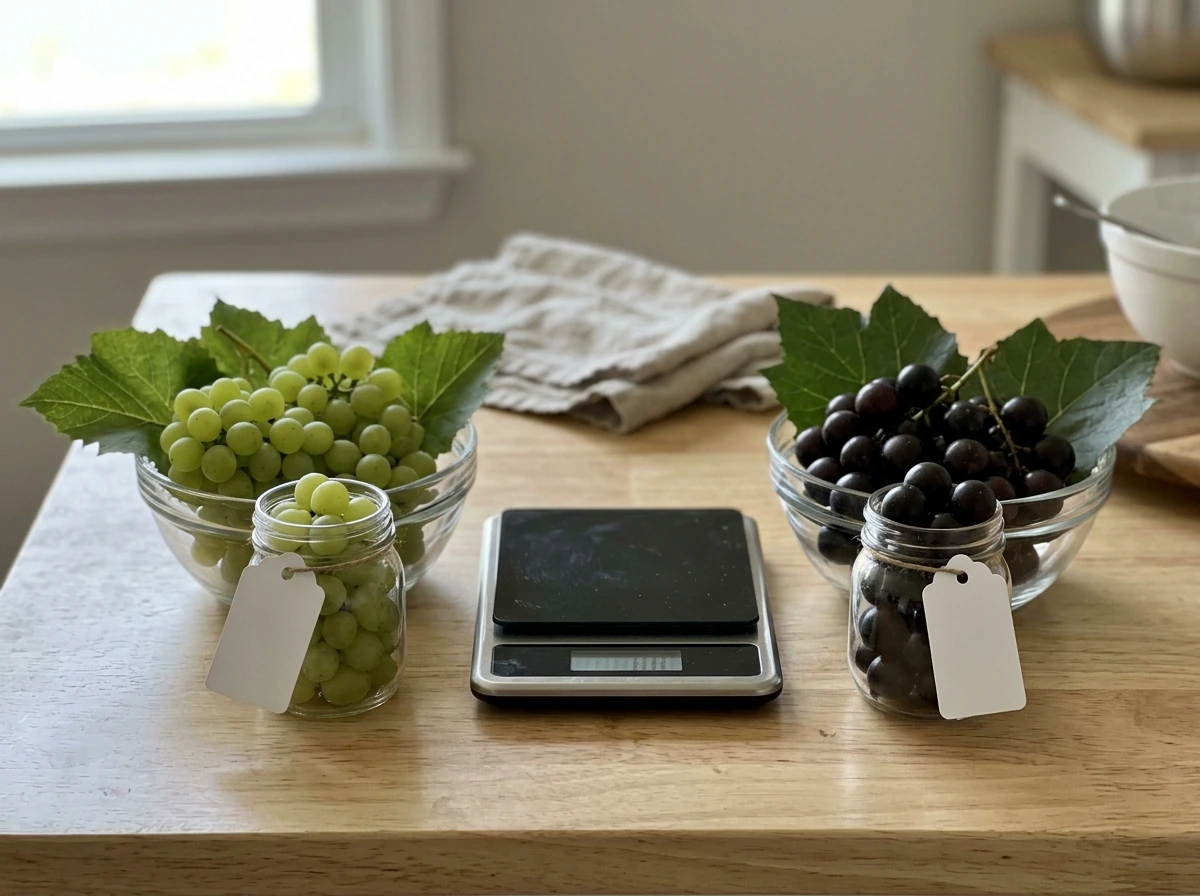
| Variety | Best Climate | Flavor Profile | Disease Resistance | Availability |
|---|---|---|---|---|
| Cotton Candy (IFG Seven) | Zones 5-9, hot dry summers ideal | High sugar, cotton candy/toffee, 18-22 Brix | Moderate, needs management in humidity | Specialty nurseries, limited stock |
| Himrod Seedless | Zones 5-8, cool to moderate summers | Sweet, mild, honey notes, 16-18 Brix | Good for a seedless table grape | Widely available |
| Marquette | Zones 4-7, cold-hardy | Dry red wine style, not sweet table grape | Excellent | Available in northern nurseries |
| Muscadine (various) | Zones 6-9, Southeast humidity | Musky, sweet-tart, distinctive | Excellent in humid climates | Widely available in South |
| Concord | Zones 4-8, cool to moderate | Classic Concord/grape juice flavor | Good | Widely available nationwide |
If sweet, high-Brix table grapes are your goal and you live somewhere with long hot summers and low humidity, Cotton Candy is worth the hunt and the wait. If you are working with a wetter or shorter-season climate, choosing a variety that is matched to your conditions will give you a far better experience. Knowing where grapes grow best in your specific region is the foundation of any successful home vineyard, no matter what variety you start with.
FAQ
Do cotton candy grapes grow naturally in the wild, like native grapevines?
No. Cotton Candy grapes (IFG Seven) are a patented, cultivated variety with no documented wild population. You will not find them growing spontaneously outdoors without intentional planting and licensed propagation.
What does “naturally bred” mean for Cotton Candy grapes?
It means the variety was developed through conventional selective breeding, not genetic engineering. It still does not make the grape wild or self-seeding, it remains a proprietary cultivar spread through licensed plants.
Can I grow cotton candy grapes from seed I bought at the store?
You generally should not rely on store seed for two reasons. First, it is typically not a reliable way to reproduce the exact trademark cultivar traits. Second, propagating a patented plant without authorization can be legally restricted, so buying a licensed vine is the safer, compliant route.
Is it legal to take cuttings and share them with friends?
Not typically. Since IFG Seven is under a plant patent, unauthorized propagation from your yard is generally not permitted. If you want more vines, purchase additional licensed plants through approved nursery channels.
If my climate is in USDA Zone 8 or 9, will cold-hardiness be the only issue?
No. Even if it survives winter, heat and humidity during the growing season drive quality. In hotter, humid areas, disease pressure and berry texture can be bigger problems than winter cold.
How can I tell if my garden has enough heat units for the best “cotton candy” flavor?
Use your local summer temperatures as a proxy, and pay attention to whether your nearby grapes typically reach high sweetness. Cooler-than-normal seasons often lower Brix into the mid-teens, so if your area frequently has mild summers, expect a less intense candy-floss flavor even with good care.
Why do my grapes taste less sweet even if the berries look ripe?
Brix depends heavily on seasonal heat. If the summer was cooler than average or cloudier, you can harvest visually “at maturity” but still end up with lower sugar. In that case, improving sun exposure and canopy management is more helpful than adding fertilizers.
What’s the best planting time for Cotton Candy vines at home?
Aim for ordering in late winter, then plant for spring establishment after worst frosts. The article suggests January through March ordering because specialty stock sells out, which matters a lot for this limited availability variety.
Do cotton candy grapes need a lot of sun and what happens if they do not get it?
They perform best in full sun. With less sun, you can get weaker growth and less sugar accumulation, which directly impacts the flavor goal. If you are on the edge of the recommended climate range, sunlight becomes even more critical.
Is Cotton Candy self-pollinating?
Plan to treat it like most table grapes and expect it may benefit from compatible pollination. If you do not see healthy fruit set, add a compatible vine or consult nursery guidance for pairing, because seedless cultivars still require effective fertilization to form full clusters.
How do I handle humidity and disease risk if I live in a wetter region?
The variety is happiest with low to moderate humidity. If your summers are humid, you will likely need more active vineyard practices like airflow-focused trellising, careful watering schedules, and consistent disease monitoring, otherwise berries can suffer even if vines survive.
What should I do if I cannot find Cotton Candy vines at a nursery?
Because availability is periodic and limited, broaden timing and channels. Try searching early in the season (late winter) and confirm the cultivar is listed as IFG Seven, not just the marketing name. If you still cannot get it, the article’s region-matched alternatives (like Muscadines in humid Southeast climates) will generally outperform trying to force a poor fit.
Can microclimates really improve results for borderline regions?
Yes, small changes can meaningfully shift outcomes. South-facing slopes or walls, raised beds for drainage and faster spring warming, and basic cold protection for early and late frosts can help you stay on track for ripeness and better sugar development in marginal areas.